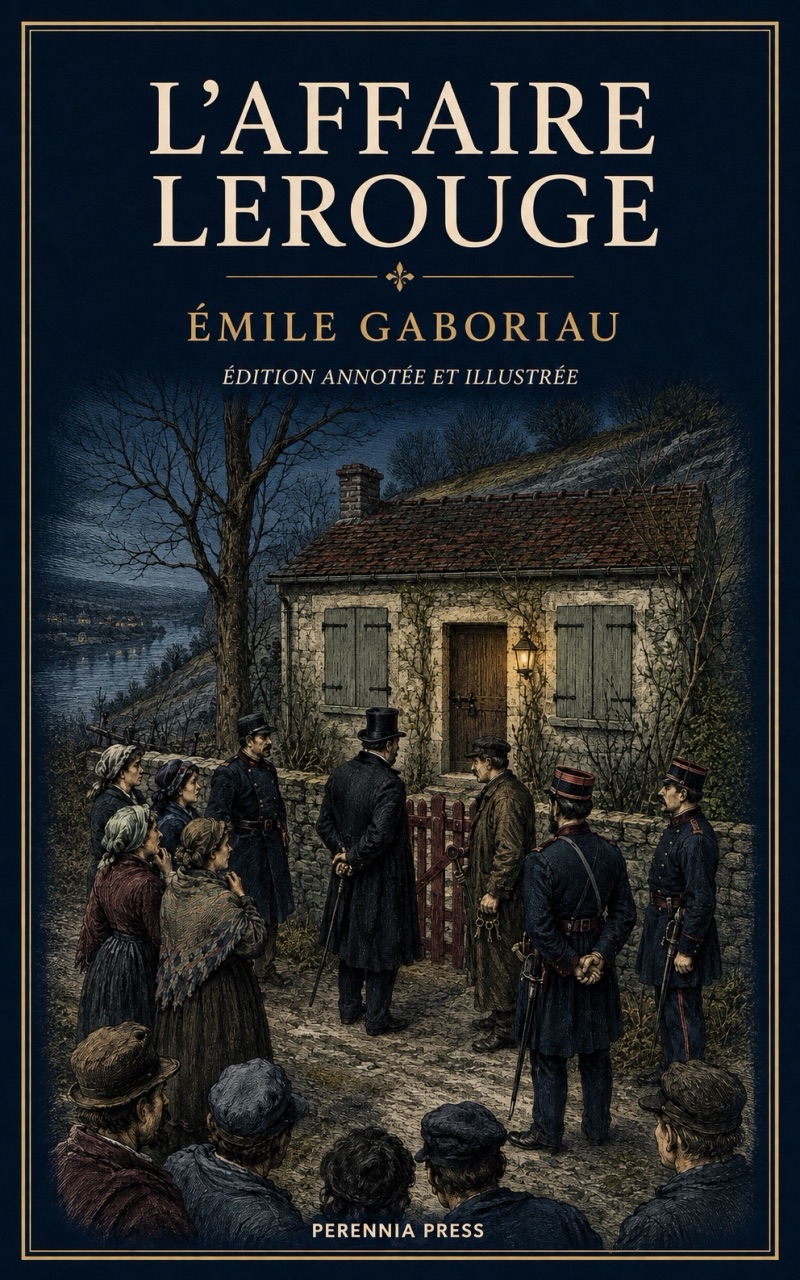
Émile Gaboriau · 1866
L’Affaire Lerouge
Annotated & illustrated
The case that helped invent the modern detective novel, restored in its complete French text with a lucid editorial apparatus.
Independent publishing house · Est. 2026
Perennia Press brings enduring literature into the present through faithful texts, useful context and editions made for the way we read now.
Perennia ClassicsVol. 01—02
The catalogue
I / IV
Émile Gaboriau · 1866
Annotated & illustrated
The case that helped invent the modern detective novel, restored in its complete French text with a lucid editorial apparatus.
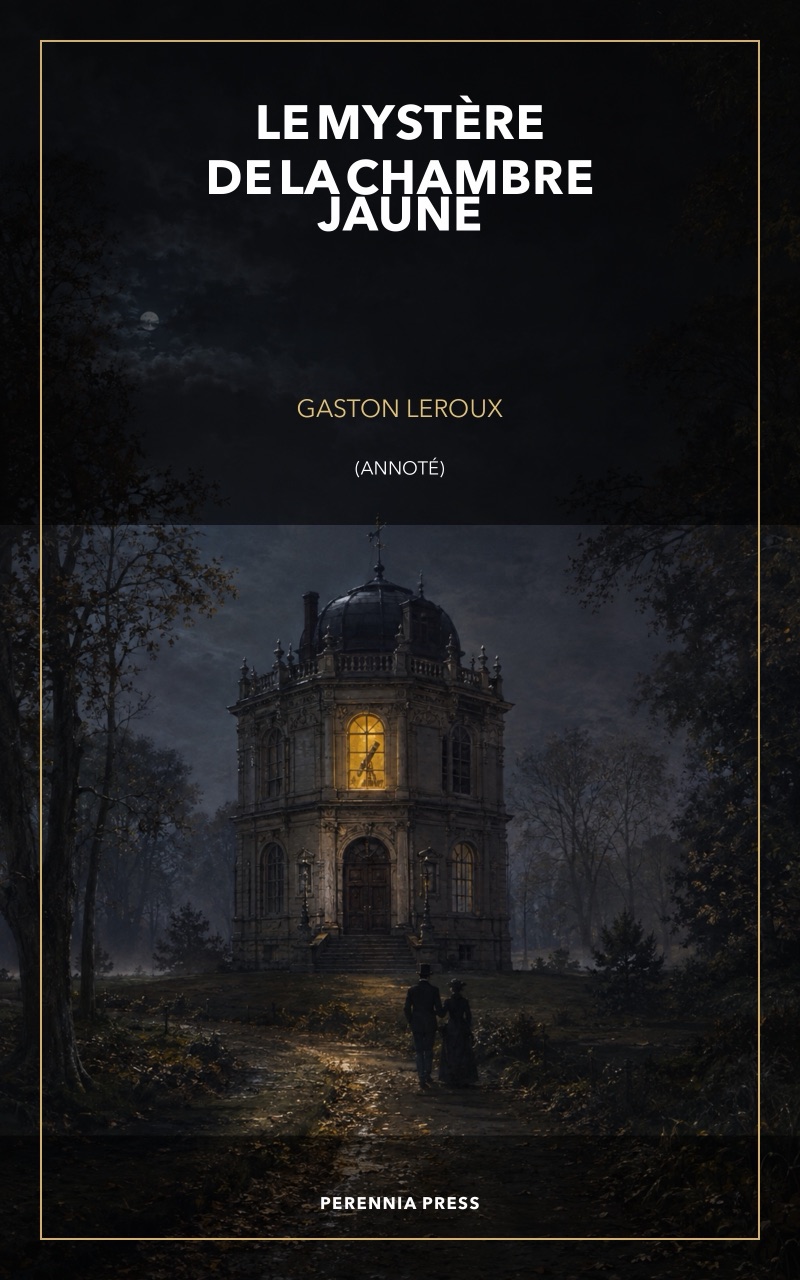
Gaston Leroux · 1907
Annotated
Rouletabille’s celebrated locked-room mystery, presented with the clues, places and period references brought into sharp focus.
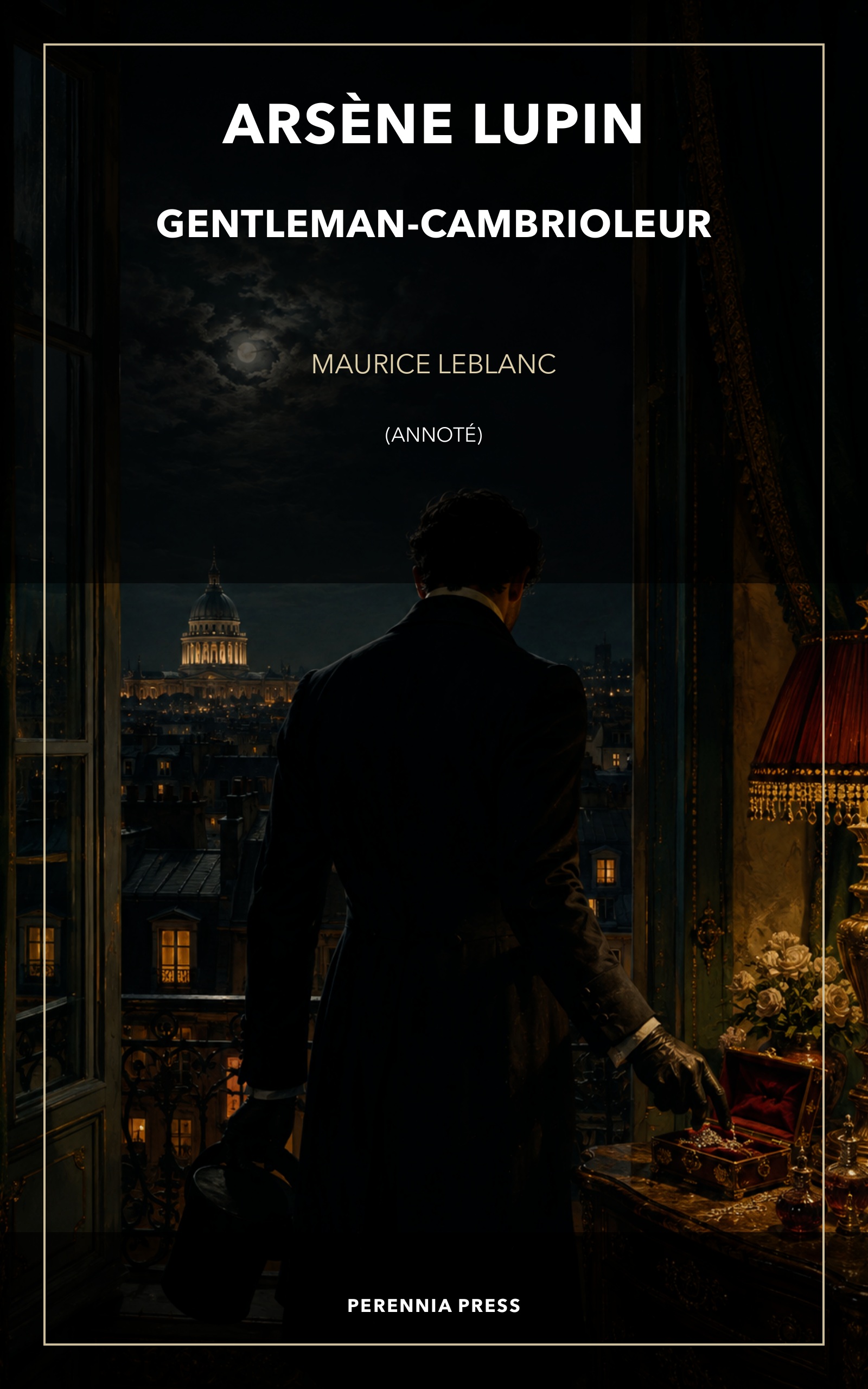
Maurice Leblanc · 1907
Annotated
The nine adventures that introduced Arsène Lupin, restored in their complete French text with focused notes on disguise, policing and Belle Époque modernity.
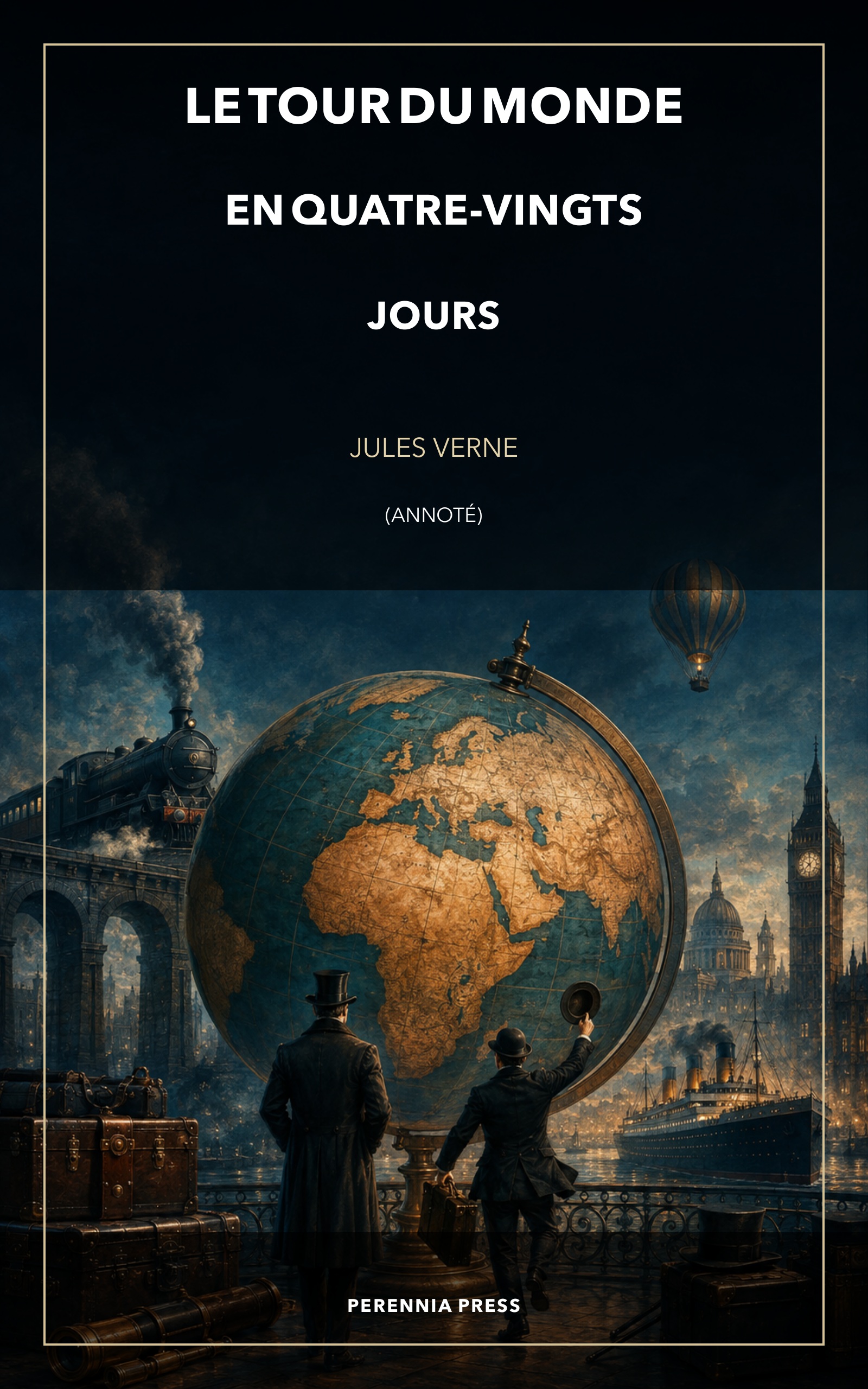
Jules Verne · 1872
Annotated
Jules Verne’s race around the globe in its complete French text, with focused notes on time, transport, geography and the nineteenth-century colonial gaze.
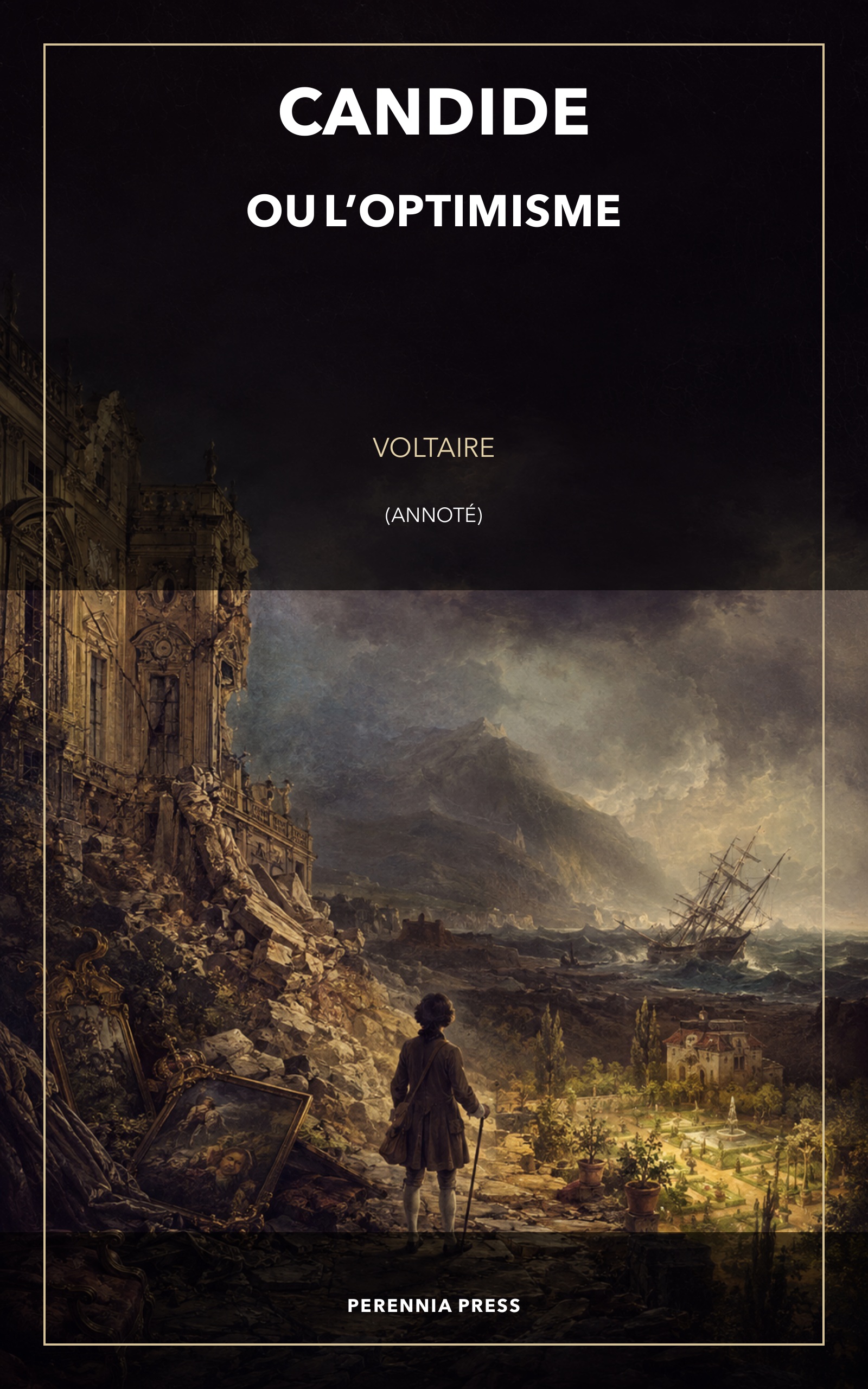
Voltaire · 1759
Annotated
Voltaire’s philosophical tale in its complete French text, with concise guidance through its satire, historical shocks and restless geography.
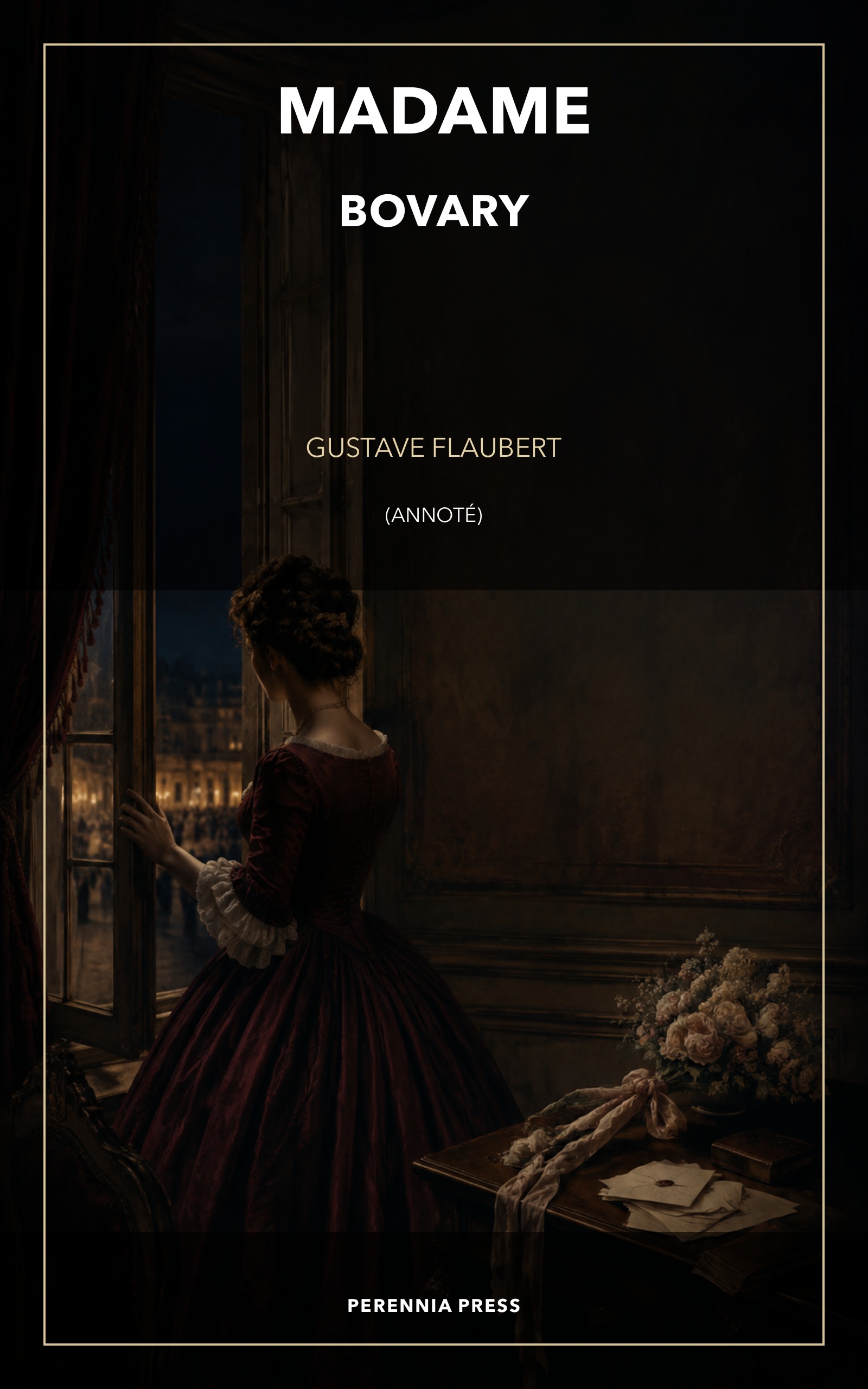
Gustave Flaubert · 1857
Annotated
Flaubert’s landmark novel in its complete French text, annotated for style, provincial society, consumer credit and the 1857 trial.
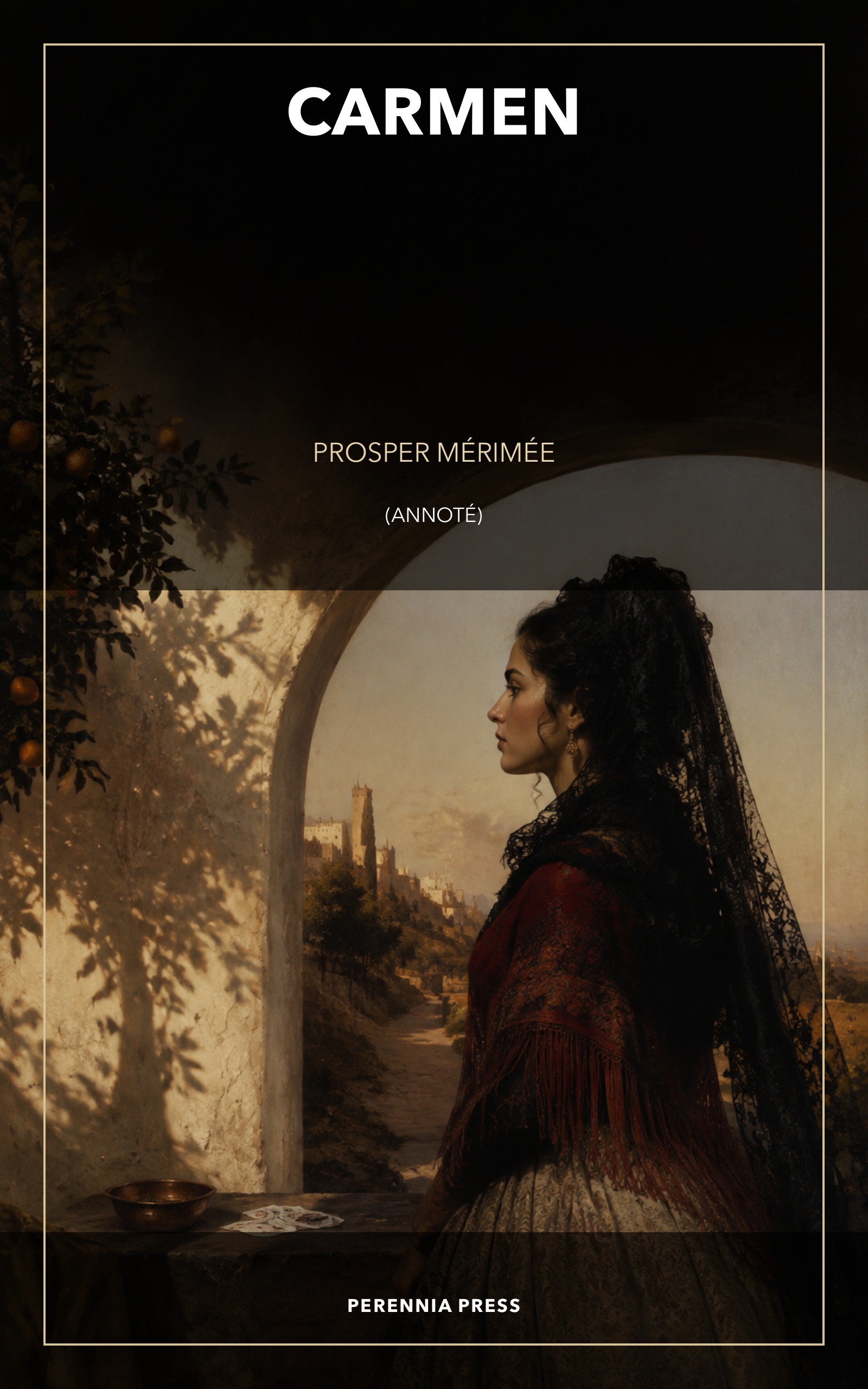
Prosper Mérimée · 1845
Annotated
Mérimée’s four-part novella in its complete French text, with notes on its narrators, Spain, Romani vocabulary and its distance from the opera.
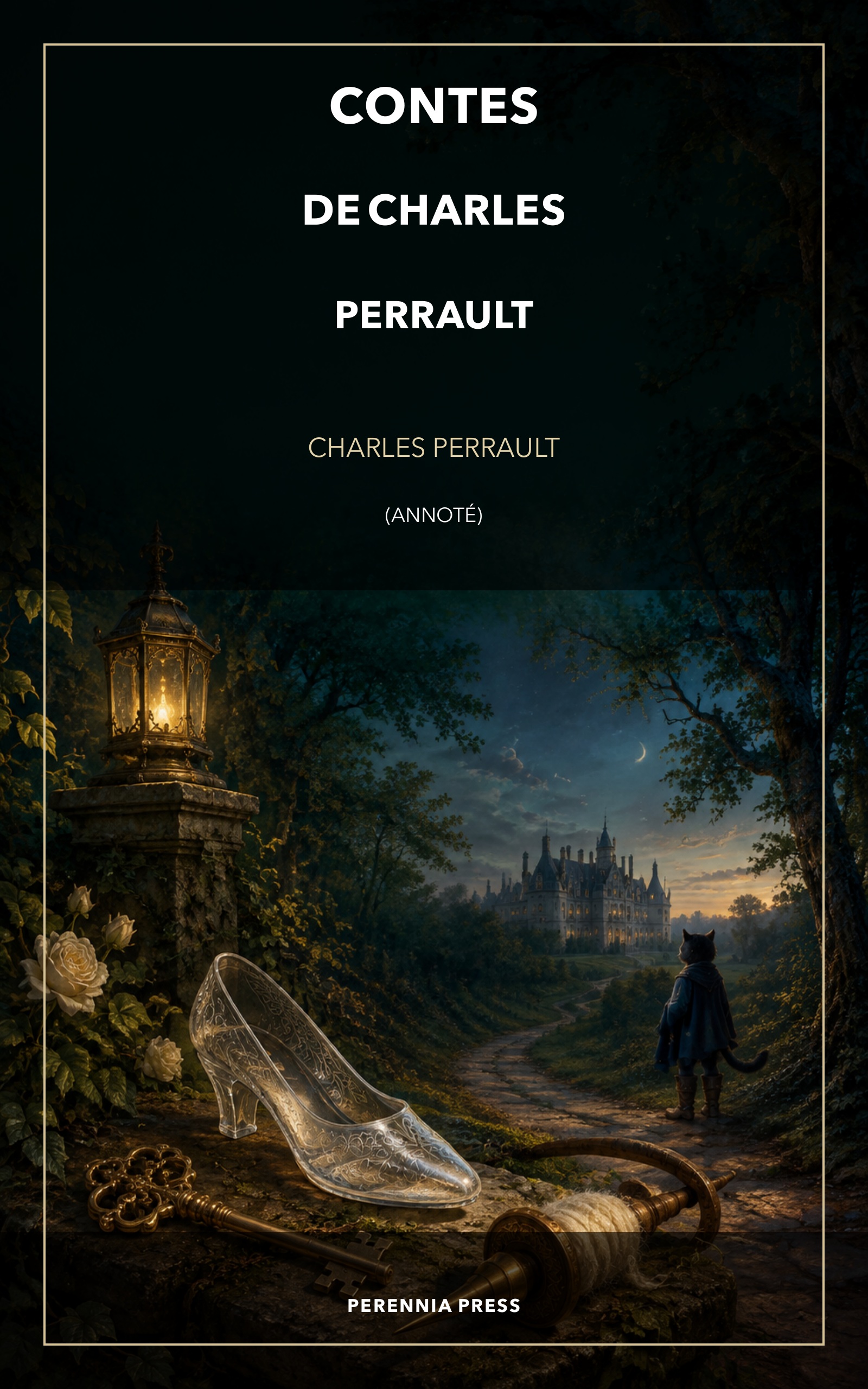
Charles Perrault · 1697
Annotated
The eight prose tales of 1697, complete with their moralities and supported by historical notes and a lexicon of classical French.
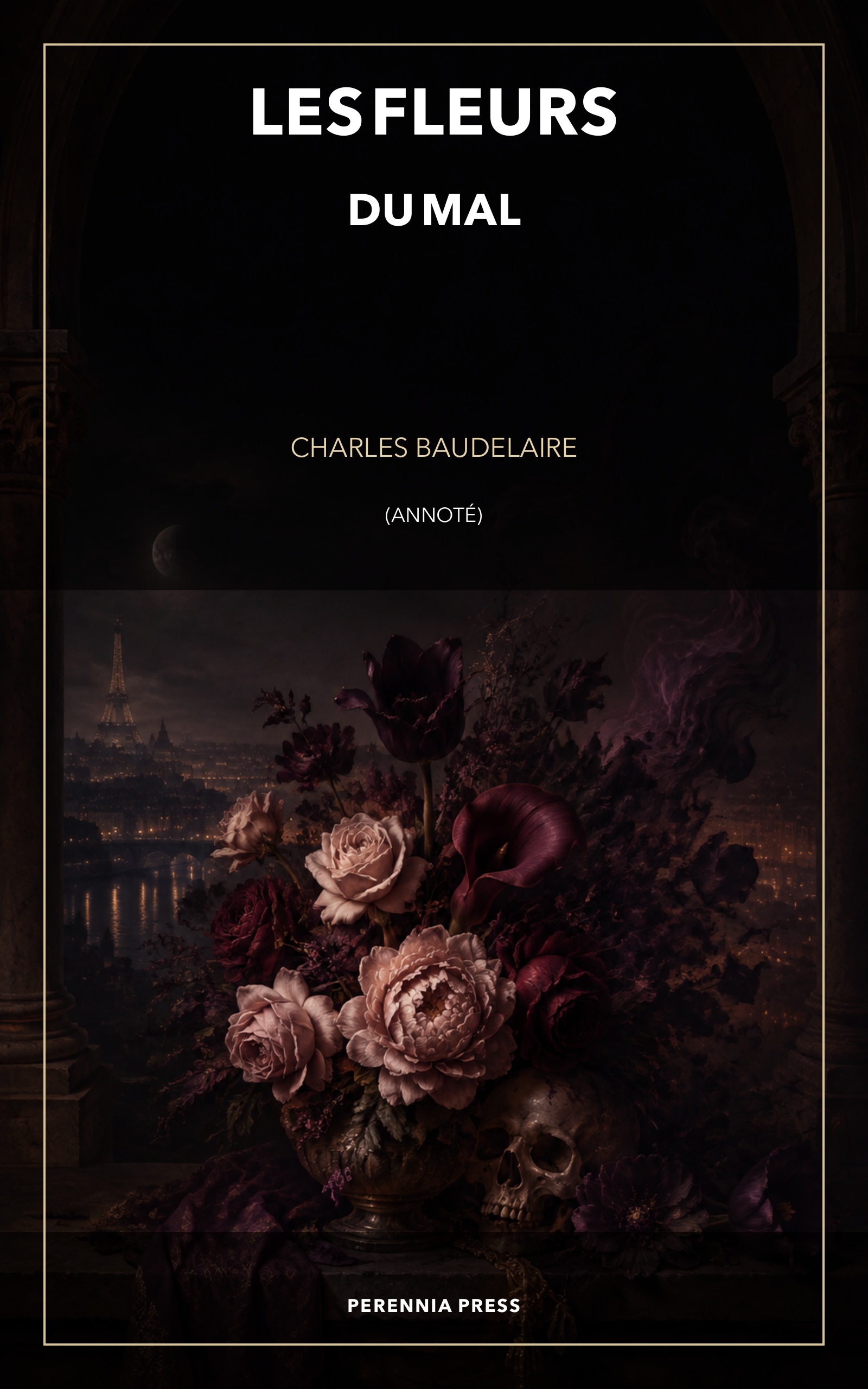
Charles Baudelaire · 1857
Annotated
Baudelaire’s complete poetic architecture, including the six condemned poems, with bearings on form, Paris, spleen and the 1857 trial.
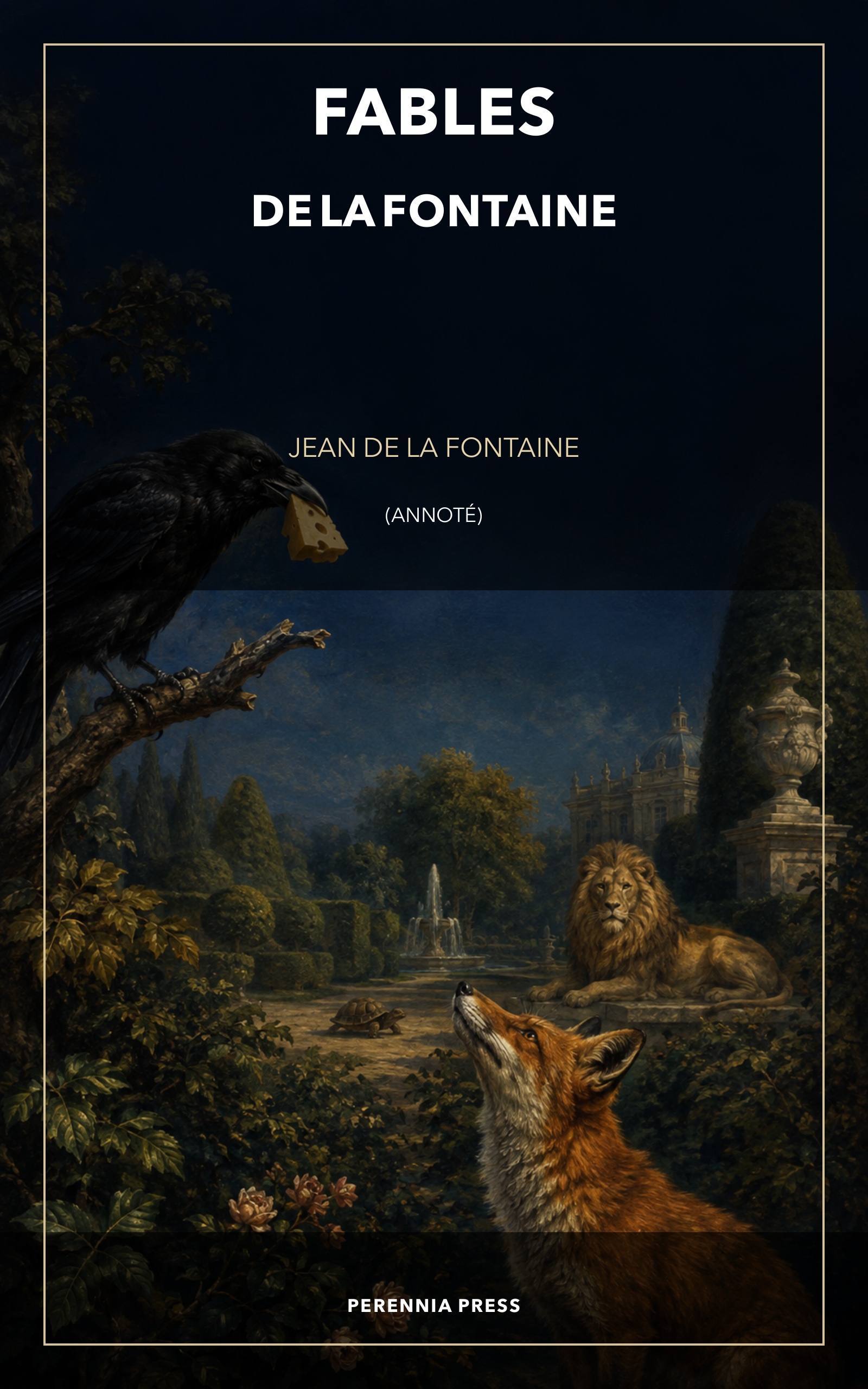
Jean de La Fontaine · 1668–1694
Annotated
All twelve books and 243 fables, with La Fontaine’s prefaces and dedications, supported by notes on the apologue, the court and classical French.
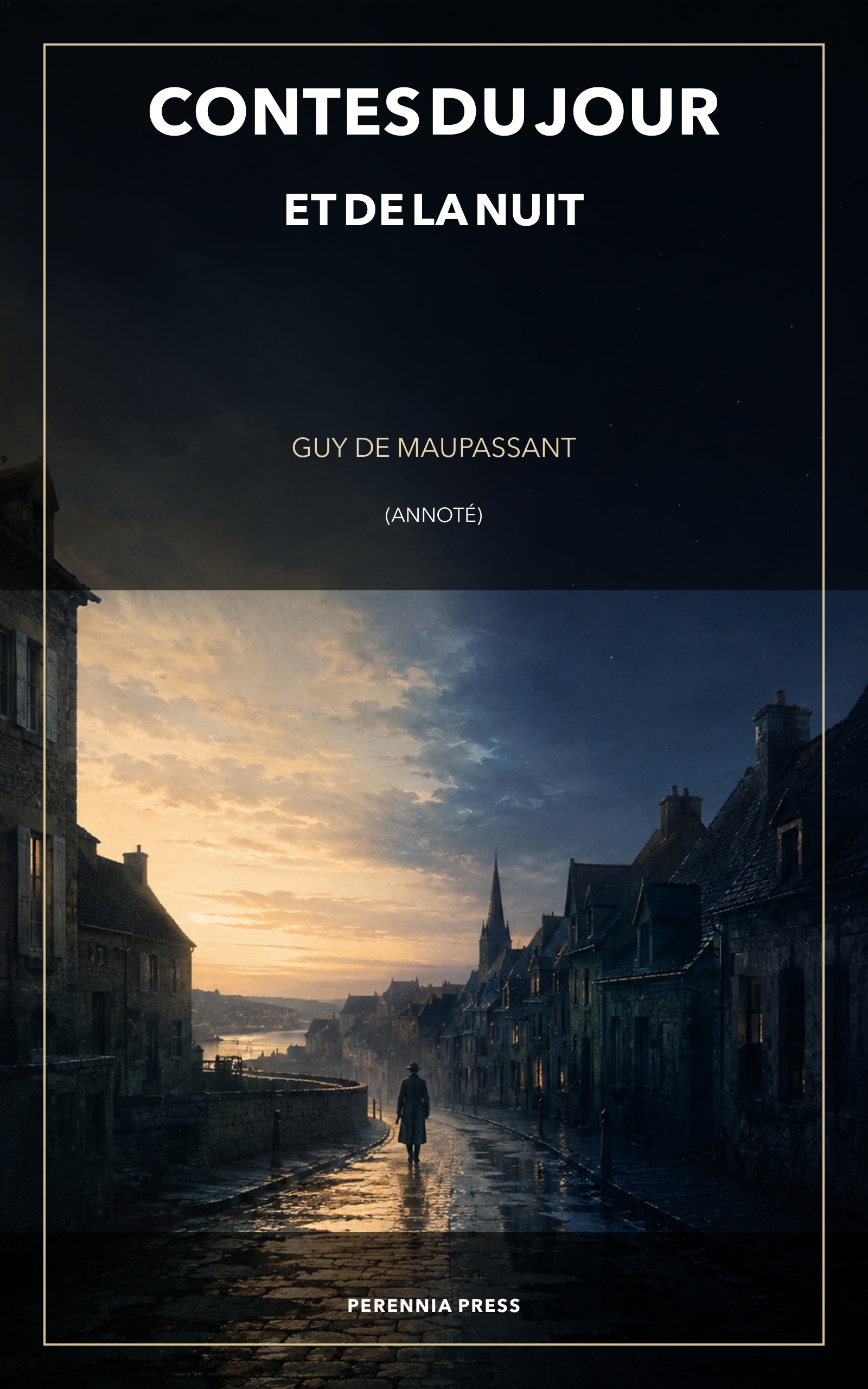
Guy de Maupassant · 1885
Annotated
The complete twenty-one-story collection, including La Parure, Coco and La Main, with notes on irony, justice, family and social violence.
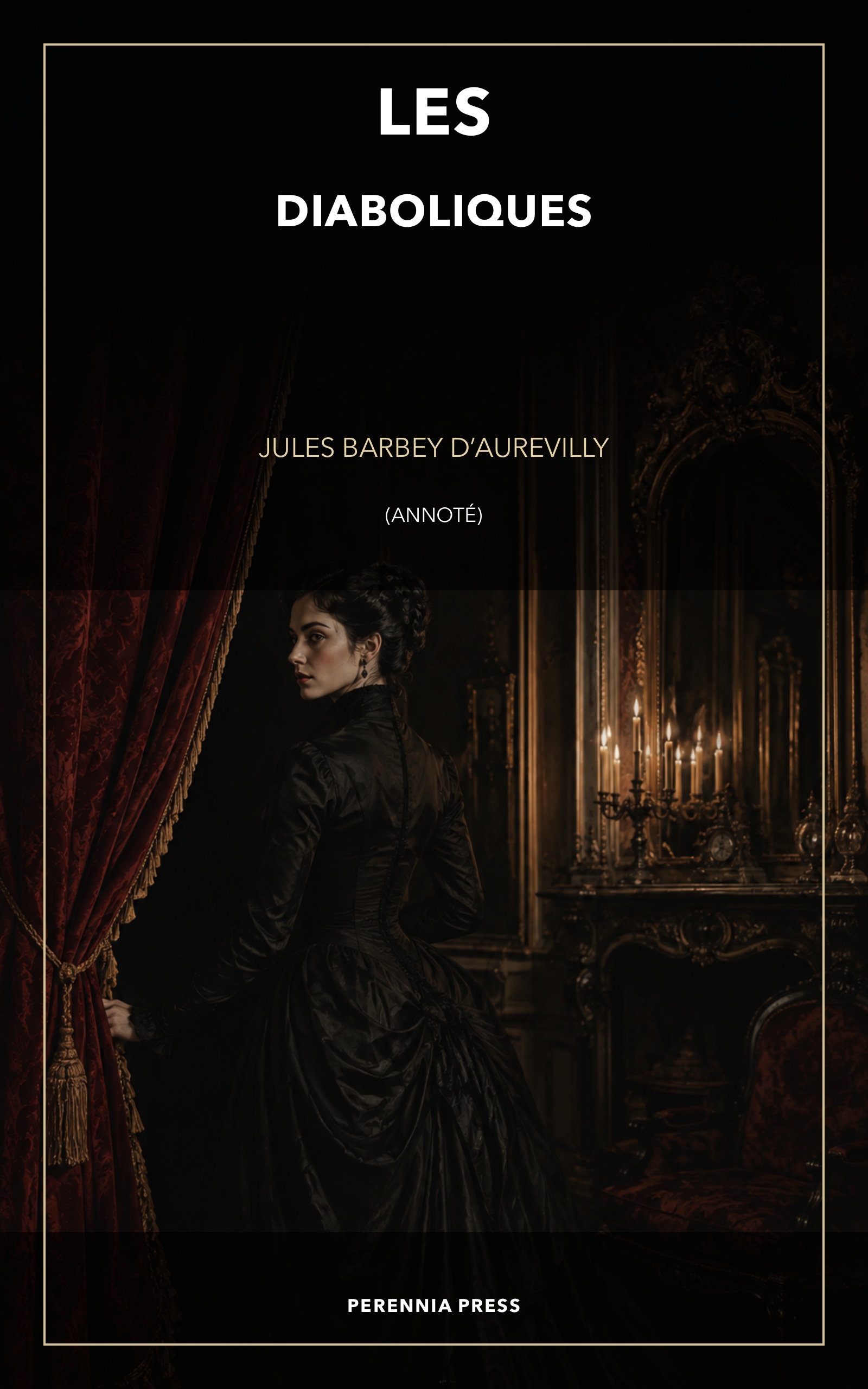
Jules Barbey d’Aurevilly · 1874
Annotated
All six tales and both authorial prefaces, with bearings on framed narration, honour, justice and the scandal of 1874.
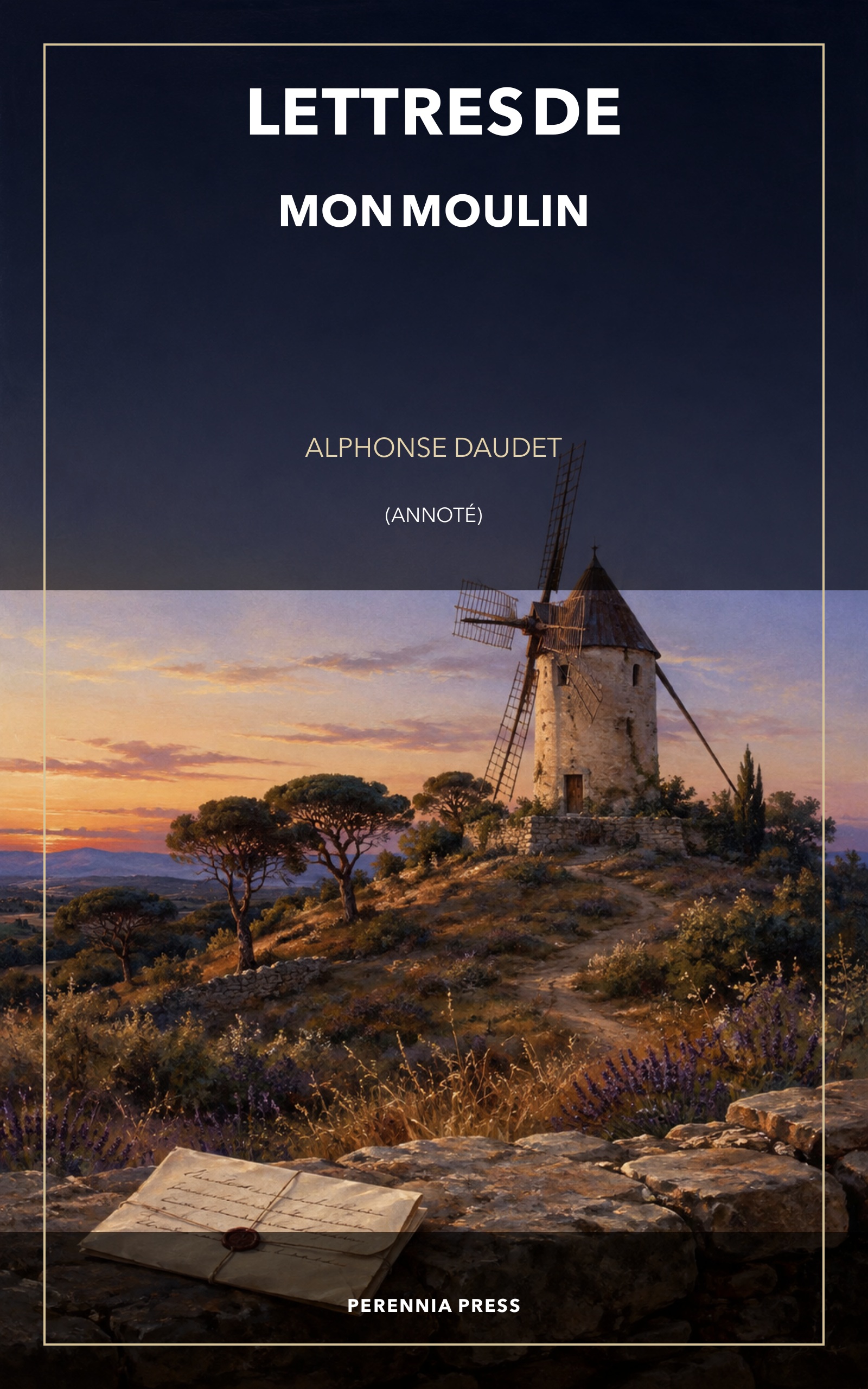
Alphonse Daudet · 1869
Annotated
Daudet’s complete collection, from L’Installation to Nostalgies de caserne, with context on Provence, oral storytelling, folklore and colonial Algeria.
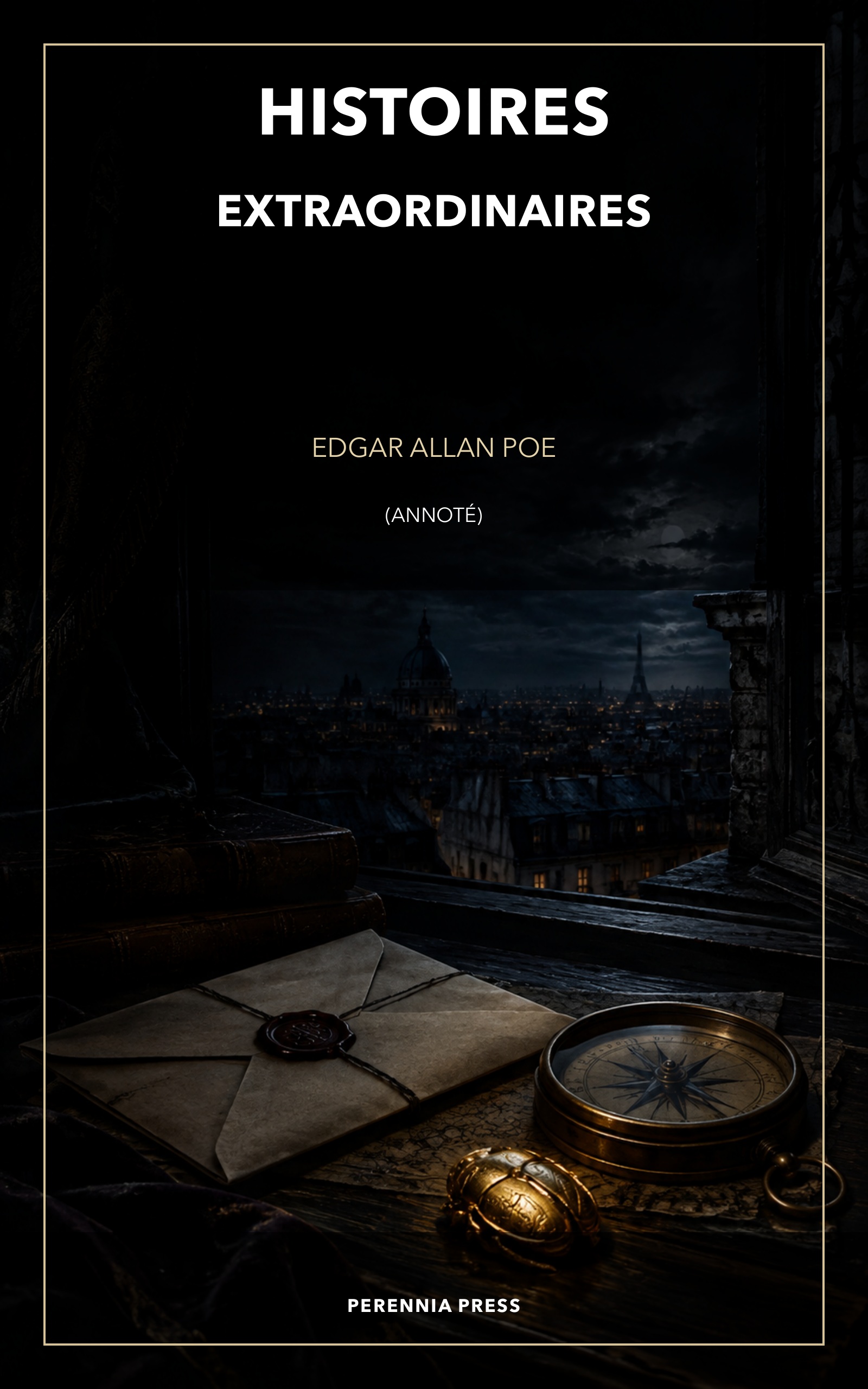
Edgar Allan Poe · 1856
Annotated
The thirteen tales of Baudelaire’s first French Poe collection, framed by two critical studies and notes on detection, science and the fantastic.
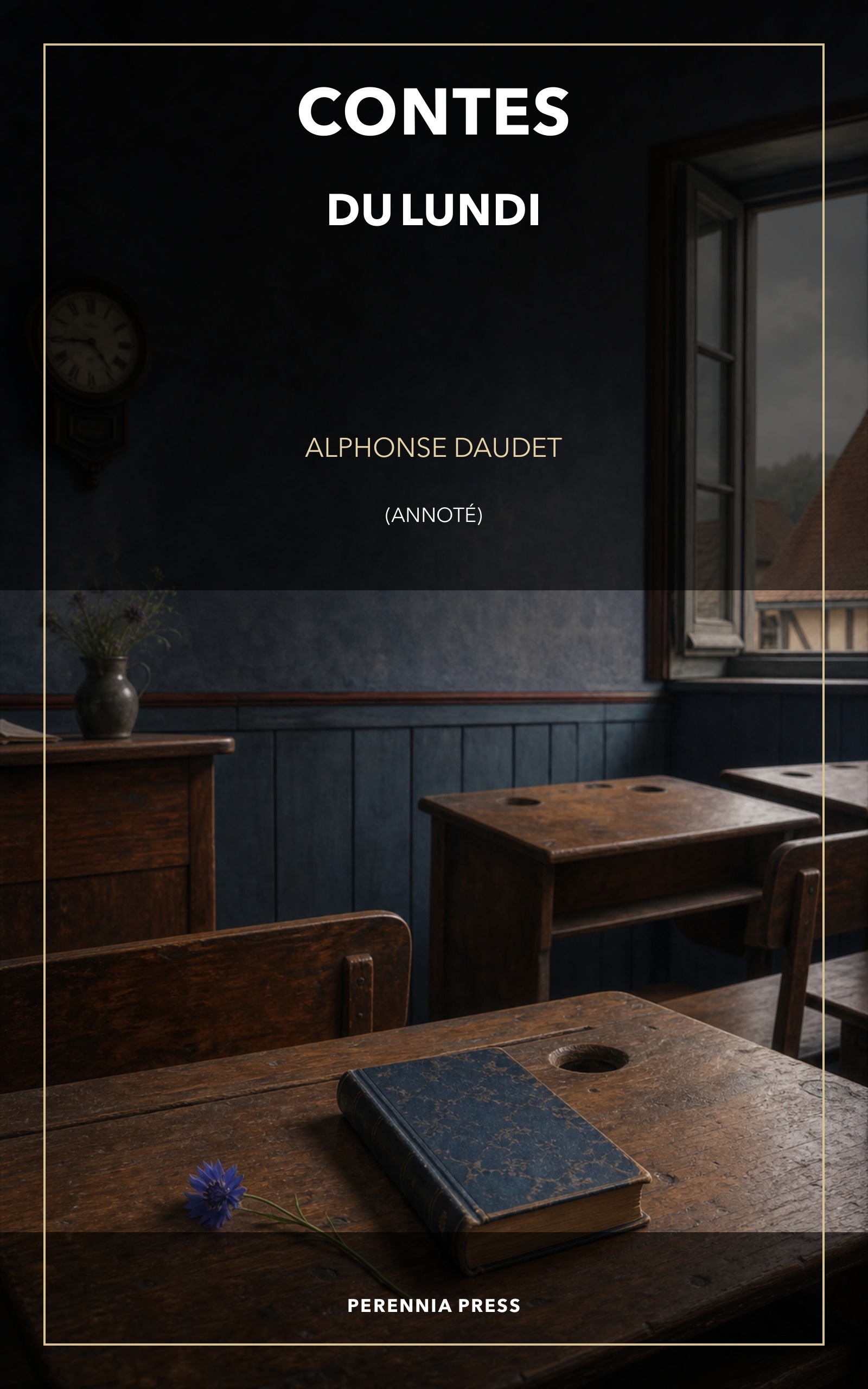
Alphonse Daudet · 1873
Annotated
All forty-two stories on the Franco-Prussian War, the Commune, Paris and literary life, with historical bearings and a period lexicon.
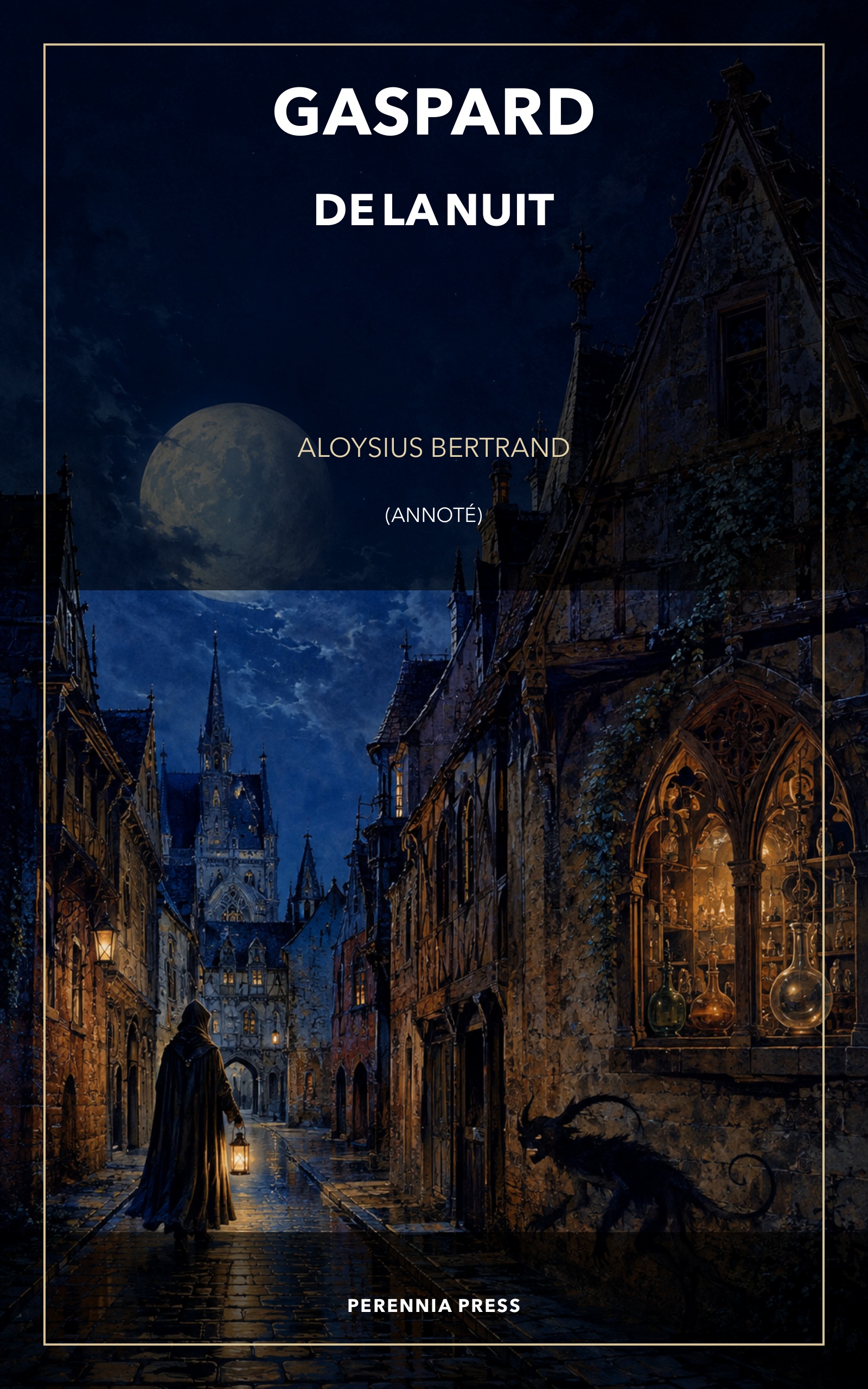
Aloysius Bertrand · 1842
Annotated
The foundational prose-poem collection, with its preface, six books and Pièces détachées, supported by notes on Dijon, the fantastic and Romantic imagery.
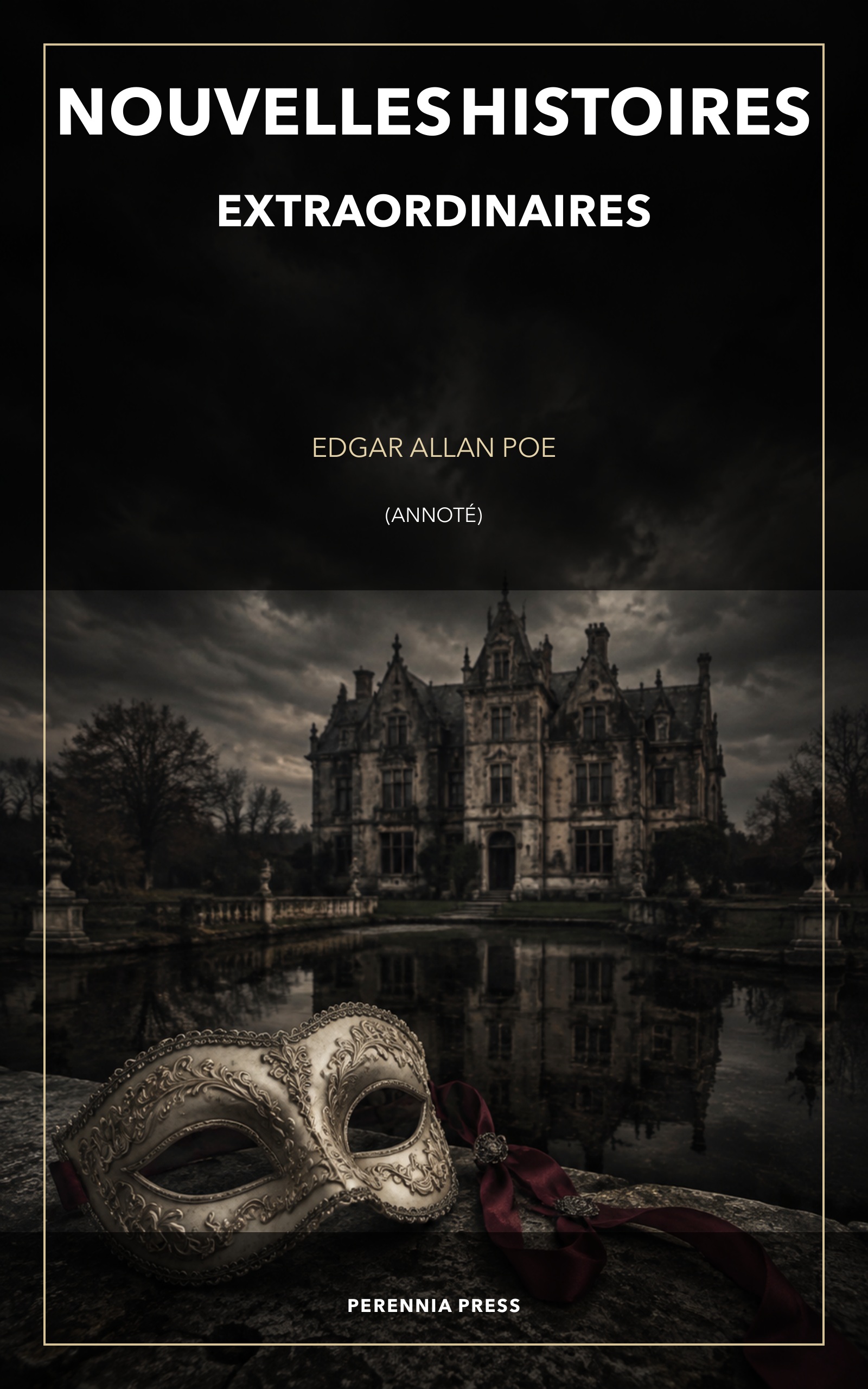
Edgar Allan Poe · 1857
Annotated
Baudelaire’s complete second French Poe collection—twenty-three tales from Le Chat noir to Le Portrait ovale—with Notes nouvelles and a focused apparatus.
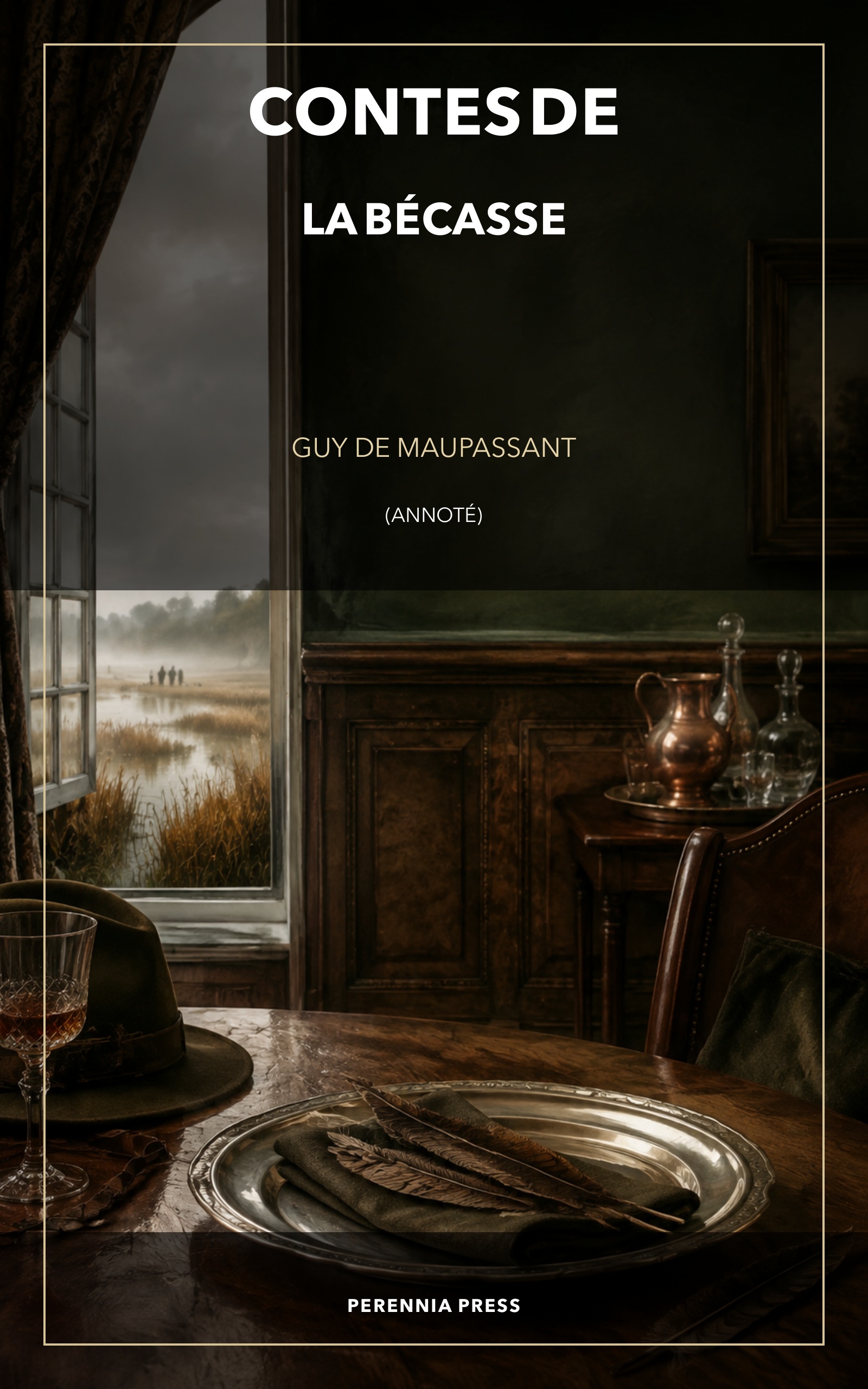
Guy de Maupassant · 1883
Annotated
The complete seventeen-story Normandy collection, gathered around a hunters’ dinner and supported by notes on its frame narrative, rural life and social irony.
Guy de Maupassant · 1887
Annotated
A private journal becomes the record of an invisible presence—and of a mind no longer certain it belongs to itself.
“A classic does not need to be modernised.
It needs to be made present.”
Inside an edition
II / IV
Every edition begins with a precise public-domain source. We preserve the author’s language and structure, document provenance and separate the original work from our editorial additions.
Historical details, obsolete expressions and literary choices are explained briefly, where they help most.
Illustrations belong to the world of the text. They are consistent, captioned and never carry essential meaning alone.
Reflowable text, semantic structure, visible navigation and meaningful alternative descriptions are production standards—not afterthoughts.
Perennia Audio
Every Perennia book carries a permanent audio address. Chapter navigation, a complete transcript and an accessible player will meet readers there as the audio catalogue grows.
About Perennia
III / IV
Perennia comes from perennis: enduring through the years.
We are an independent publishing house devoted to international classics in the public domain. Our work joins editorial care, visual craft and digital production in editions that feel at home on paper, e-readers and—progressively—in audio.
The catalogue begins with the origins of French detective fiction and will grow across languages, periods and forms.
Perennia
Classics reimagined · Éditions annotées · Audiobooks